Wandle Park Colliers Wood rubbish clearance and skip guide
Posted on 01/07/2026
If you are dealing with a garden reset, a flat clear-out, post-renovation mess, or a pile of bulky waste that has quietly become a small mountain, the Wandle Park Colliers Wood rubbish clearance and skip guide is for you. Around Wandle Park, space can be tight, access can be awkward, and nobody wants waste hanging around longer than it needs to. The good news? With the right plan, clearance can be straightforward, tidy, and far less stressful than it first looks.
This guide walks through how rubbish clearance and skip hire choices usually work in and around Colliers Wood, what to think about before you book, and how to avoid the common mistakes that waste time and money. It also covers the practical stuff people forget until the last minute: access, timing, safety, and what to do when you are trying to keep a home, garden, or business premises moving smoothly.
To make things easier, we have included a simple comparison, a checklist, and a realistic example from a typical Wandle Park-area job. Nothing overblown. Just clear advice you can actually use.
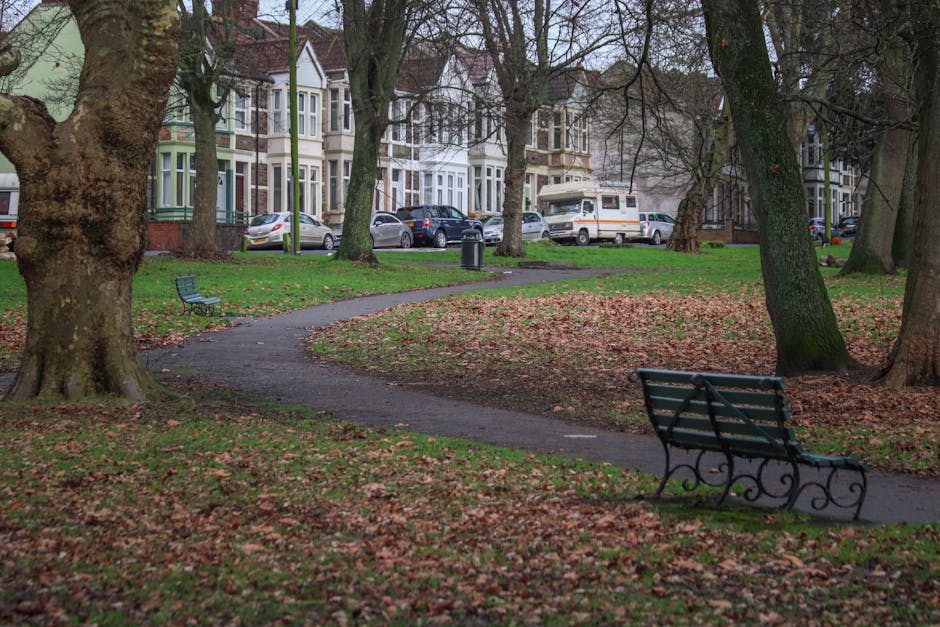
Why Wandle Park Colliers Wood rubbish clearance and skip guide Matters
Wandle Park sits in a part of Colliers Wood where homes, small businesses, terraces, and apartment blocks all sit close together. That sounds charming, and often it is. But it also means waste management has to be planned with a bit of care. A skip on a narrow road, a clearance team arriving at the wrong time, or a pile of garden debris left outside for too long can create hassle very quickly.
The value of a local rubbish clearance plan is simple: it helps you match the job to the access, the waste type, and the timing. That matters whether you are clearing a front garden after a weekend of pruning or emptying a property before sale. In the Colliers Wood area, people often underestimate how much access changes the decision. A good plan can prevent extra trips, avoid blocked entrances, and keep neighbours on side. And let's be fair, nobody wants to spend a Saturday explaining why a skip is half a wheelbarrow too wide for the space available.
If you live nearby, you may already know that practical local knowledge matters as much as the service itself. A dependable approach can fit around busy streets, parking pressure, and the everyday rhythm of the area. For broader local context, you may also find the resident's guide to living in Colliers Wood useful when thinking about how the area works day to day.
Key takeaway: in Wandle Park and the surrounding Colliers Wood streets, the best rubbish clearance option is usually the one that matches the access, volume, and urgency of the job, not just the cheapest-looking one on paper.
How Wandle Park Colliers Wood rubbish clearance and skip guide Works
There are two common routes for waste removal in this kind of local job: a man and van style rubbish clearance, or a skip placed on site. Each has its place. The right choice depends on what you are getting rid of, how quickly you need it gone, and whether you have room for a skip at all.
Rubbish clearance in plain English
Rubbish clearance usually means a team comes to collect the waste for you, loads it, and removes it in one go. That is often the easiest option for mixed waste, awkward bulky items, or properties with limited space. It works especially well when you want the load shifted without spending hours carrying things yourself.
Skip hire in plain English
A skip is a metal container delivered to a location for you to fill over time. It can be useful for longer projects, especially if the waste will build up over several days. Renovations, garden clearances, and DIY work often suit a skip because you can keep throwing things in as the work progresses.
The challenge near Wandle Park is usually access. A skip needs a practical place to sit, along with space for delivery and collection. If the road is tight, parking is difficult, or you do not have permission to place a skip in the right spot, the whole thing can become more complicated than it should be.
In some situations, local property layout matters as much as the waste itself. That is one reason why articles such as the Colliers Wood real estate guide can be surprisingly useful if you are dealing with a move, rental turnover, or sale prep.
How the process usually runs
- Assess the waste - sort out what type of items you have and roughly how much there is.
- Check access - think about stairs, narrow paths, parking, lift access, and whether a vehicle or skip can realistically fit.
- Choose the method - clearance team or skip, depending on time, volume, and space.
- Separate anything sensitive - paperwork, valuables, reusable furniture, or items that should not be mixed with general waste.
- Book the service - confirm timing, estimated load, and any restrictions on waste type.
- Complete the job safely - keep pathways clear, protect floors if needed, and make sure heavy items are moved properly.
That sounds simple, and often it is. But the little details matter. A sofa that is easy to remove from a house with a front drive can become a nuisance if it has to be carried through a narrow shared hall. That is the kind of thing people realise at 8:30 on a rainy morning, usually just after the kettle has boiled.
Key Benefits and Practical Advantages
The main benefit of getting clearance or skip planning right is control. You control the timing, the mess, the number of trips, and the disruption. That is especially helpful around Wandle Park, where you may be balancing family life, neighbours, parked cars, and a fairly busy local routine.
- Less stress: the waste is dealt with in one planned move rather than piecemeal trips to a tip or pile-ups outside the property.
- Better use of space: an organised clearance opens up rooms, gardens, garages, and outbuildings quickly.
- Safer handling: heavy or awkward items can be moved more safely when the process is planned rather than rushed.
- Cleaner finish: a proper clearance leaves the space ready for decorating, selling, renting, or simply living in.
- Fewer delays: good access planning helps avoid failed collections or wasted delivery slots.
- More suitable for mixed waste: if you have furniture, general clutter, garden waste, and renovation debris all at once, a tailored service is often easier than juggling separate removal methods.
There is also a practical financial benefit. Not every job needs the biggest skip or the most involved service. Sometimes a half-load clearance is enough. Sometimes a skip is overkill. The right decision can save you paying for unused capacity or arranging a second collection because the first choice was too small. That happens more than people like to admit.
If sustainability matters to you, it is worth looking at how waste is sorted and handled. A good local operator should be able to explain recycling practice in simple terms, which is why the page on recycling and sustainability is a sensible reference point for anyone who wants the bigger picture.
Who This Is For and When It Makes Sense
This guide is useful for a pretty wide mix of people. If you are in Wandle Park or nearby streets in Colliers Wood, chances are one of these scenarios will sound familiar.
- Homeowners clearing clutter: old furniture, broken appliances, attic leftovers, garage junk, or post-renovation waste.
- Renters moving out: end-of-tenancy clearances, unwanted items, and last-minute rubbish that needs removing before inspection.
- Landlords and agents: fast turnaround between occupants, sometimes with mixed waste and bulky furniture.
- Garden owners: branches, hedge trimmings, soil, green waste, old planters, and general outdoor debris.
- Trades and DIY renovators: rubble, timber offcuts, packaging, tiles, plasterboard, and mixed builders' waste.
- Small offices and studios: desks, filing cabinets, packaging, broken chairs, and old equipment.
It also makes sense if you are dealing with access challenges. For instance, if a property is tucked away behind shared paths, or you are close to transport-related footfall and need tight-access collection, planning matters. That is explored well in the article on rubbish removal for tight access near Colliers Wood Station, which is relevant because similar access considerations often apply around busy local points.
In short: if the waste is too much for a car boot, too awkward for a casual trip to a recycling centre, or too mixed-up to sort on your own without headache, you are probably in the right territory.
Step-by-Step Guidance
Here is the simple version of how to get a good result without overthinking it.
1. Identify the waste properly
Start by separating the obvious categories: general rubbish, furniture, green waste, construction debris, metal, wood, and anything sensitive. This helps you avoid booking the wrong type of collection. A pile that looks small from the doorway can become much bigger once you start carrying it, by the way.
2. Estimate volume honestly
Try to judge the waste in practical terms: one corner of a room, half a shed, a garage full, or a full garden clear-out. Underestimating is one of the most common reasons people end up needing extra space or a second visit.
3. Check the access before you decide
Ask yourself a few plain questions: Can a skip realistically sit there? Is there a tight corner or narrow entrance? Are there parking restrictions or loading limits? Will the waste need to pass through shared areas? If the answer is "maybe not," then a collection service may be the cleaner option.
4. Decide between skip and clearance
If you need time to load waste gradually and have space for delivery, a skip can make sense. If you want the waste gone in one visit and do not have room for a container, rubbish clearance is often the better fit.
5. Prepare the site
Move cars if needed. Clear a route. Put aside anything you want to keep. It is a small thing, but it saves a surprising amount of faffing about on the day.
6. Keep the job tidy from the start
Place lighter waste together, stack bulky items sensibly, and keep sharp or fragile materials separate if possible. The neater the pile, the smoother the loading.
7. Confirm final waste type and handover
Before collection, make sure nothing prohibited has been accidentally mixed in. If you are uncertain about specific items, ask first. That is far better than finding out at the last minute.
If your clearance is tied to a move or sale, it may help to read the Colliers Wood property sales guide as well. People often forget that waste clearance and property presentation go hand in hand.
Expert Tips for Better Results
Here are the small, practical things that make a real difference.
- Do the sort before the booking: even a rough sort saves time and can reduce the volume of general waste.
- Keep reusable items separate: if something can be donated, sold, or reused, set it aside early.
- Think about timing: early collection can be easier if you are managing neighbours, parking, or building access.
- Use the weather to your advantage: on a wet day, protect floors and keep outdoor waste covered where possible. Wet cardboard gets heavy fast.
- Measure awkward items: long wardrobes, mattresses, and appliances are often the ones that cause surprise.
- Ask about recycling routes: not every mixed load is handled the same way, and knowing how your waste will be managed is reassuring.
- Plan for the last 10%: most clearances are easy until you find the hidden pile behind the shed or the box room full of "I'll deal with that later" items.
Expert summary: the most efficient rubbish clearance jobs are the ones where the waste is sorted just enough, access is checked properly, and the service matches the real-world layout of the property. Not the ideal layout. The actual one.
A small but useful tip: if you are close to shared housing or flats, tell neighbours or building managers about the timing. It is a simple courtesy, and it avoids that awkward moment when somebody discovers a van or skip has appeared where they planned to park. Nobody enjoys that conversation.

Common Mistakes to Avoid
Most problems with rubbish clearance and skip use are preventable. A few of them are classic.
- Choosing the wrong method: booking a skip when there is nowhere to place it, or booking clearance when the job really needs time and a container.
- Underestimating the volume: especially after clear-outs, where the waste seems to multiply once sorting begins.
- Mixing unsuitable waste: some materials need special handling, and mixing them in casually can complicate the job.
- Ignoring access: stairs, narrow hallways, low branches, parked cars, or shared entrances can all affect the removal plan.
- Leaving things until the last minute: this is where people get stressed, and frankly, the stress is rarely necessary.
- Not checking what is included: if you only skim the details, you may miss whether labour, loading, or disposal is part of the arrangement.
One more thing. Do not assume every bulky item behaves the same way. A mattress, a dismantled wardrobe, and a bag of rubble are three very different problems in practice. That is why a quick, honest assessment upfront is worth more than a guess.
Tools, Resources and Recommendations
You do not need a van full of specialist kit to organise a better clearance, but a few basics help.
- Measuring tape: useful for checking access widths, gate gaps, and bulky items.
- Dust sheets or cardboard: handy for protecting floors in shared entrances or living spaces.
- Heavy-duty gloves: sensible for sorting rough materials or hidden sharp edges.
- Marker labels: simple, but very effective for separating keep, donate, recycle, and remove piles.
- Strong bags or boxes: especially useful for loose clutter, books, and small mixed items.
- Phone photos of the waste: helpful when getting a quote or explaining the job clearly.
If you are looking at broader service options, the services overview gives a good sense of how different waste and clearance jobs can be grouped. It is a practical starting point if you are trying to decide whether you need general rubbish collection, a house clearance, or something more specific.
For services that involve mixed domestic waste, the pages on rubbish collection in Colliers Wood and waste removal in Colliers Wood are relevant references. If the job is more specialised, there are separate pages for garden waste removal, builders' waste disposal, house clearance, and office clearance. That spread matters because different waste types have different practical demands, and a one-size-fits-all approach can be clumsy.
Law, Compliance, Standards, or Best Practice
When you are arranging rubbish clearance or using a skip in the UK, the main thing to remember is this: waste should be handled responsibly, and you should be cautious about where it goes and who is taking it. You do not need to become a compliance expert overnight, but you do need to be sensible.
Good practice usually includes the following:
- Use a properly run operator: one that can explain how waste is managed and disposed of.
- Separate problematic materials: certain items need special care and should not be mixed casually with ordinary rubbish.
- Keep access safe: do not block fire routes, shared entrances, or pedestrian space more than necessary.
- Handle lifting carefully: bulky waste can cause injury if moved badly or rushed.
- Be clear about what is being removed: vague instructions are one of the fastest ways to create confusion.
Where a service touches safety, insurance, or property access, it is worth checking the provider's own guidance. The site's page on insurance and safety is useful here, especially if you are dealing with heavy items, stairs, or shared access. And if you want a general sense of how bookings, expectations, and payment handling are set out, the pages on pricing and quotes and payment and security are worth reading before you commit.
To be fair, most people are not trying to navigate legislation. They just want the waste gone properly. That is fine. But a little attention to responsibility goes a long way, especially in a built-up neighbourhood where everyone is sharing the same pavements, roads, and access points.
Options, Methods, or Comparison Table
Here is a simple comparison to help you decide what fits best.
| Option | Best for | Strengths | Limitations |
|---|---|---|---|
| Rubbish clearance team | Quick removal, bulky items, mixed waste, tight access | Fast, labour included, less hassle, good for awkward jobs | May not suit long-term loading or very large projects |
| Skip hire | Ongoing DIY, renovation waste, predictable volume | Handy over several days, easy to keep filling, useful for phased jobs | Needs space, delivery access, and usually more planning |
| Garden waste collection | Pruning, hedge cuttings, soil, outdoor clear-outs | Focused on green waste, neat for seasonal jobs | Not ideal if the load is mixed with bulky household rubbish |
| Builders' waste disposal | Renovation debris, offcuts, rubble, fixtures | Suitable for heavier and messier materials | Requires care with sorting and material type |
If you are uncertain, the simplest question is: do you want waste removed in one neat visit, or do you want a container you can fill over time? That one question usually narrows the answer very quickly.
Case Study or Real-World Example
Here is a realistic local scenario. A couple living near Wandle Park decide to clear their back garden and spare room before repainting the house in spring. The garden contains broken plant pots, branches, an old metal shelf, and a few damp bags of soil. The spare room has boxed clutter, a bedside cabinet, an old mattress, and a flat-pack wardrobe that never quite made it to "properly assembled."
At first, they think a small skip will do. Then they walk the route from the back gate to the front pavement and realise the access is tighter than expected. There is also nowhere sensible to place a skip without causing disruption to neighbours. So they switch to a collection-based clearance instead.
The result is much smoother. The waste is sorted into manageable piles, the awkward items are lifted out in one visit, and the garden is left ready for the next stage of work. No repeated trips. No container sitting outside for days. No "we'll sort that later" pile growing like it owns the place.
That example is typical of Wandle Park and the surrounding Colliers Wood area. When access is the limiting factor, the best answer is often the simpler one. Not always, but often. And the relief you feel when the space is finally clear is hard to beat, especially after a long week.
Practical Checklist
Use this before you book or begin:
- Identify the waste type: general, garden, builders', bulky, or mixed.
- Estimate the volume honestly.
- Check whether there is safe access for a skip or collection vehicle.
- Measure doorways, gates, corridors, and any tight corners.
- Separate reusable, recyclable, and sensitive items.
- Decide whether the job needs same-day removal or phased loading.
- Clear parking or inform neighbours if needed.
- Protect floors and pathways if items must pass through the property.
- Ask how the waste will be handled and sorted.
- Confirm the service includes the right kind of labour for the job.
Quick reality check: if you have to keep saying "maybe it'll fit," it probably needs a different plan.
Conclusion
The Wandle Park Colliers Wood rubbish clearance and skip guide comes down to one practical idea: match the waste to the access, the timing, and the space you actually have. That is what keeps the job simple. If you choose the wrong method, even a small clearance can become a drag. If you choose well, it can feel surprisingly tidy and efficient.
For some jobs, a skip is the right tool. For others, a clearance service makes more sense, especially where parking, narrow access, or mixed waste are part of the picture. The best outcome is not just "waste removed"; it is waste removed without chaos, delay, or unnecessary stress. That is the real win.
If you are comparing options, checking safety details, or planning a clearance around a move or renovation, take a few minutes to look at the linked resources in this article. It can save you a lot of guesswork later.
Get a free quote today and see how much you can save.
And if all you really want is the mess gone so you can enjoy the space again, that is fair enough. Sometimes the best feeling is just seeing the floor again.


Copyright © . House Clearance Colliers Wood. All Rights Reserved.